A weekly allocation game · Robinhood Chain
Thirteen weeks
to prove a view.
1,313 broker seats were printed. Each one runs a paper portfolio. You set the weights, they lock at Friday's close, and they run untouched for seven days. Thirteen of those weeks make a season — then the table is published and the pool pays out.
Season one is a paper book. No third-party capital, no carry, nothing to redeem.
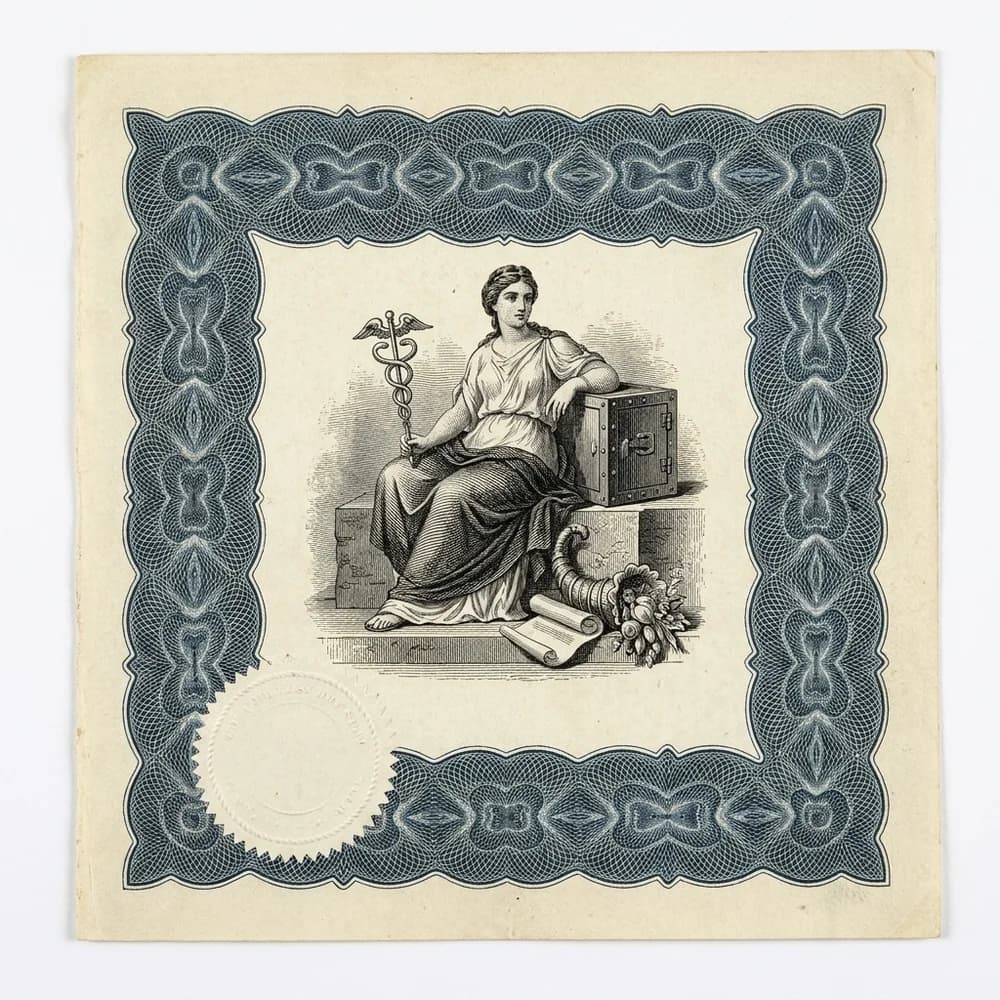
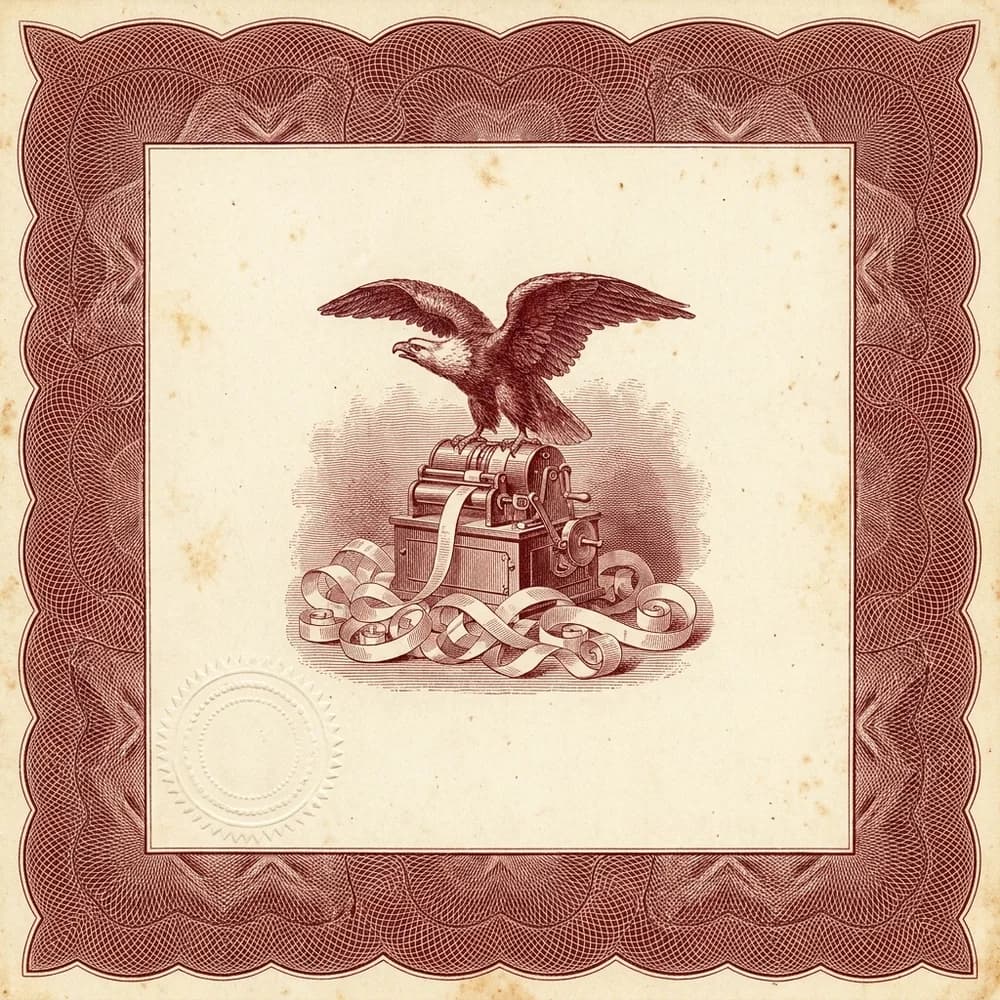
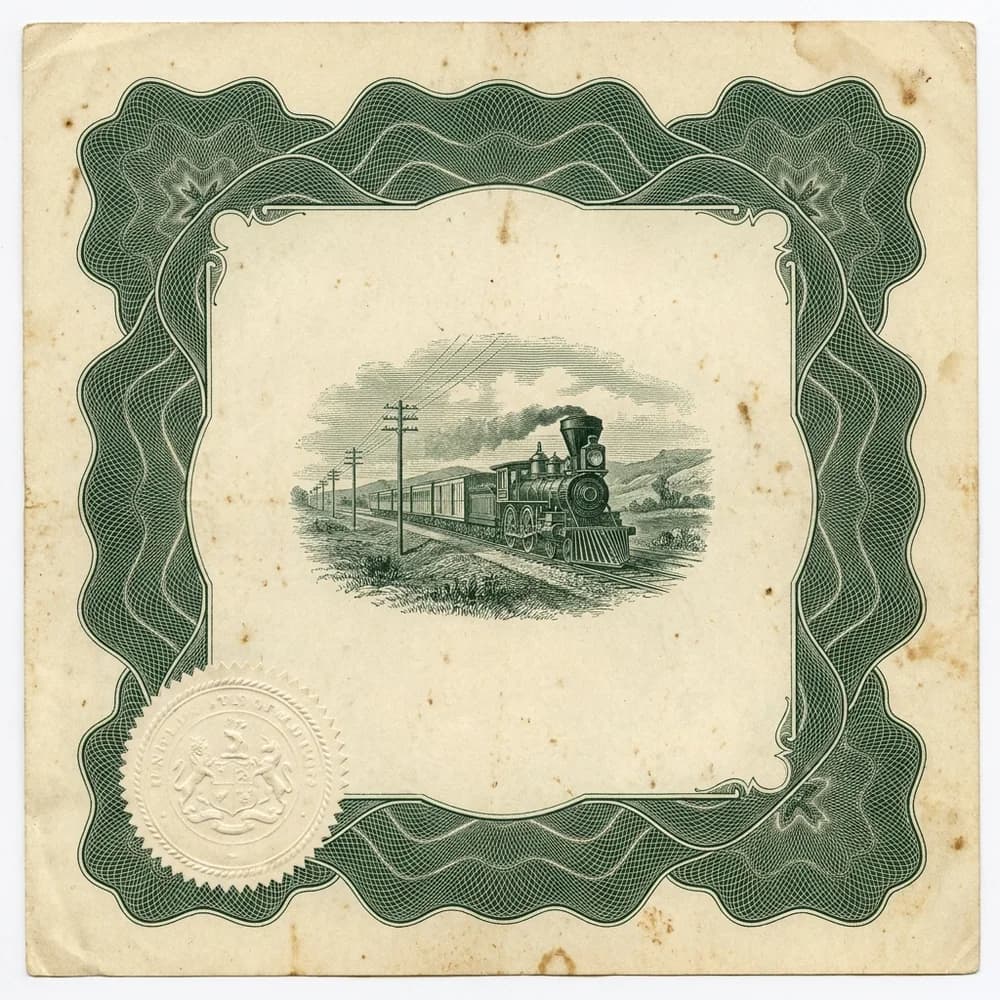
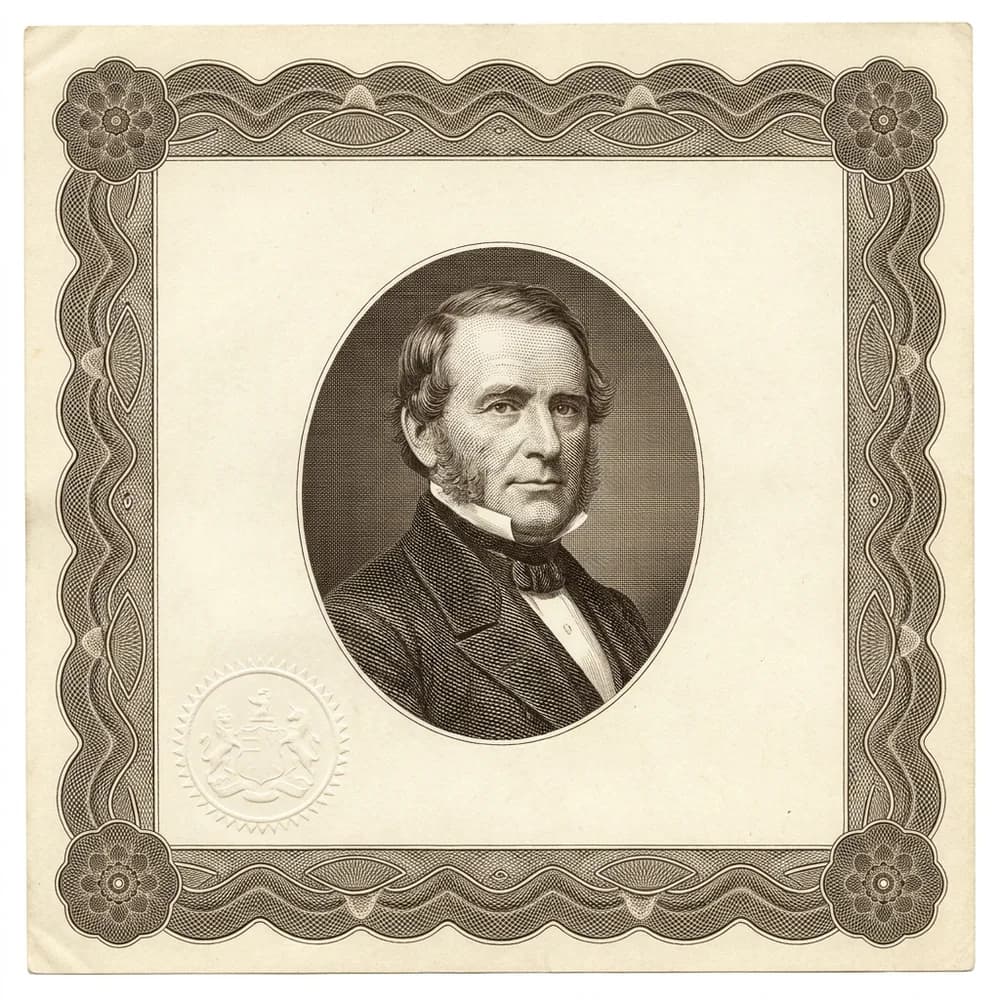
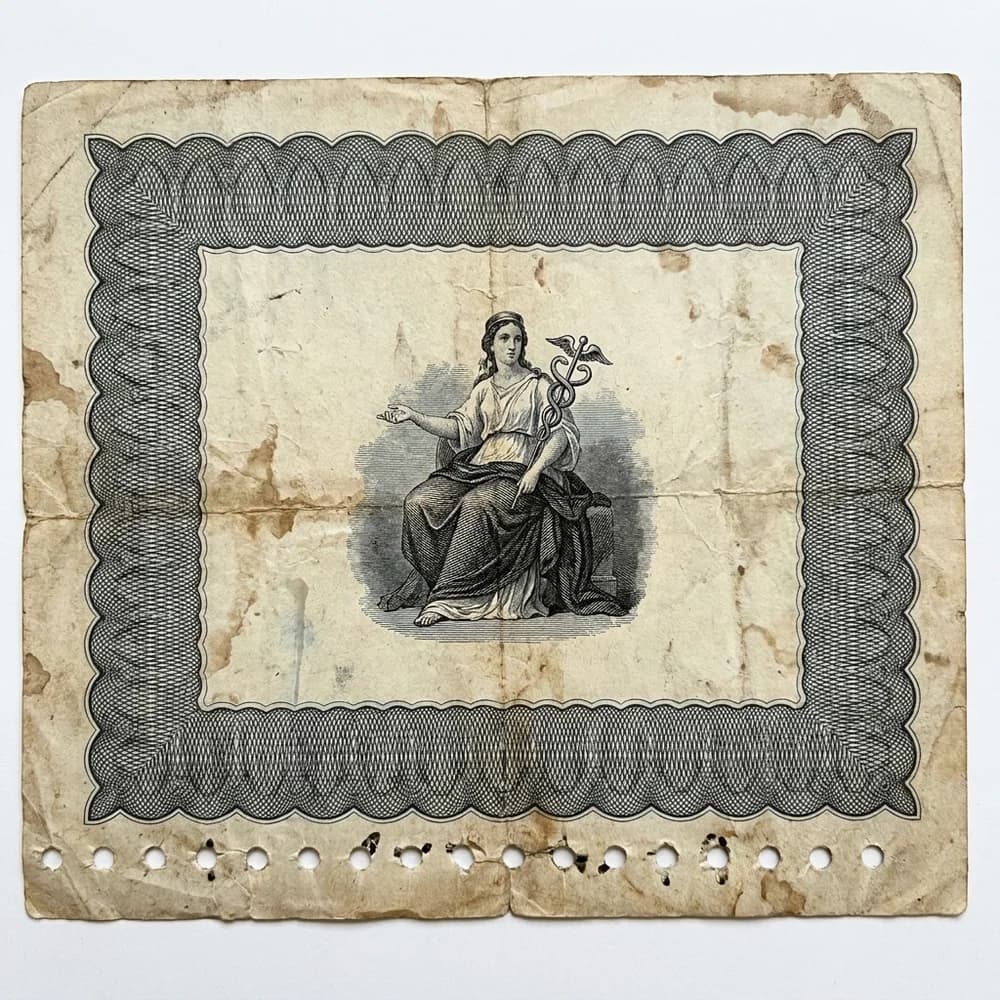
Hollis & Wren
Steel blue & black, two plate
- NVDA
- 38.00%
- BRK.B
- 32.00%
- XOM
- 18.00%
- CASH
- 12.00%
The week is the loop. The season is the event.
Insiders file a Form 4 within two business days of a trade; institutions file a 13F once a quarter. Borrowing both gives the game a fast clock and a slow one without inventing either.
To the first close
—— : —— : —— : ——
Commit weights any time before Friday 21:00 UTC. At the close they freeze and run untouched for seven days. One allocation per seat per week — no intraday, so the week rewards a view rather than a faster bot.
- 01
- 02
- 03
- 04
- 05
- 06
- 07
- 08
- 09
- 10
- 11
- 12
- 13
Season performance compounds the thirteen weekly results. At the close the cumulative table is published, the prize pool pays the top decile, and the bottom decile has its allocation budget cut for the season that follows.
The tape does not care what you meant. It prints what you committed.
Ten thousand basis points, and not one more.
An allocation is a list of weights in basis points. It has to total exactly 10,000, and no single line may exceed 40%. Below is the same check the contract runs — drag the plates until the book balances, then take the seal.
1,000 bps uncommitted. The registrar will reject this.
Five things vary. Nothing else does.
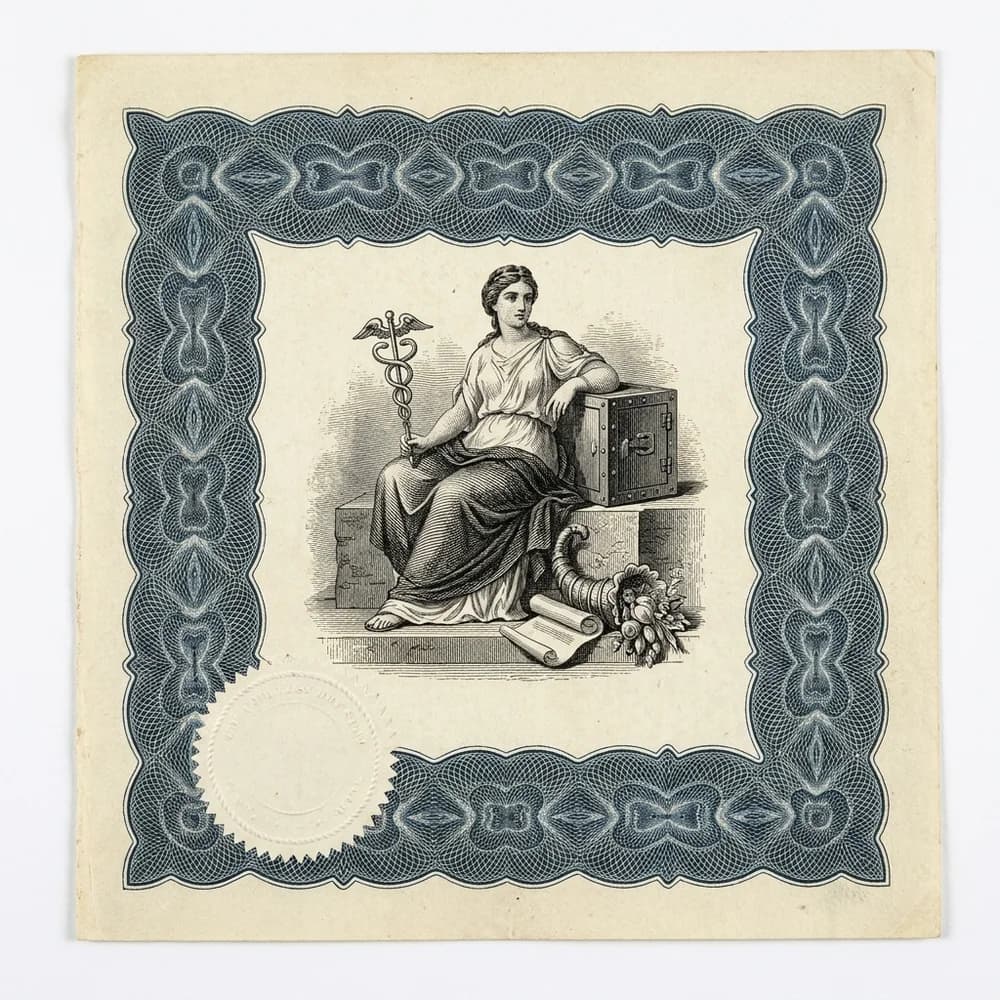
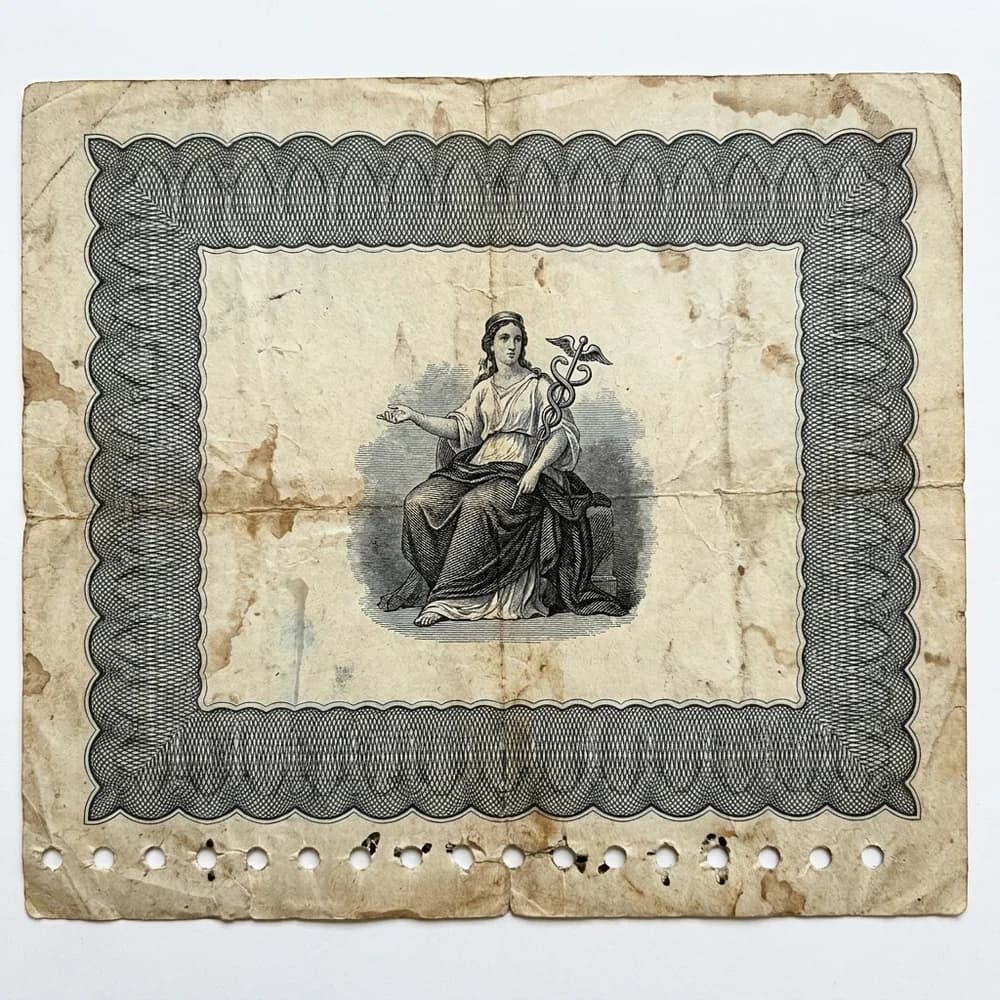
Every seat is cut from the same engraved template, then moved along one axis at a time — the ink, the vignette, the density of the lathework, the state of the paper, the overprint. Scarcity you can read from a thumbnail.
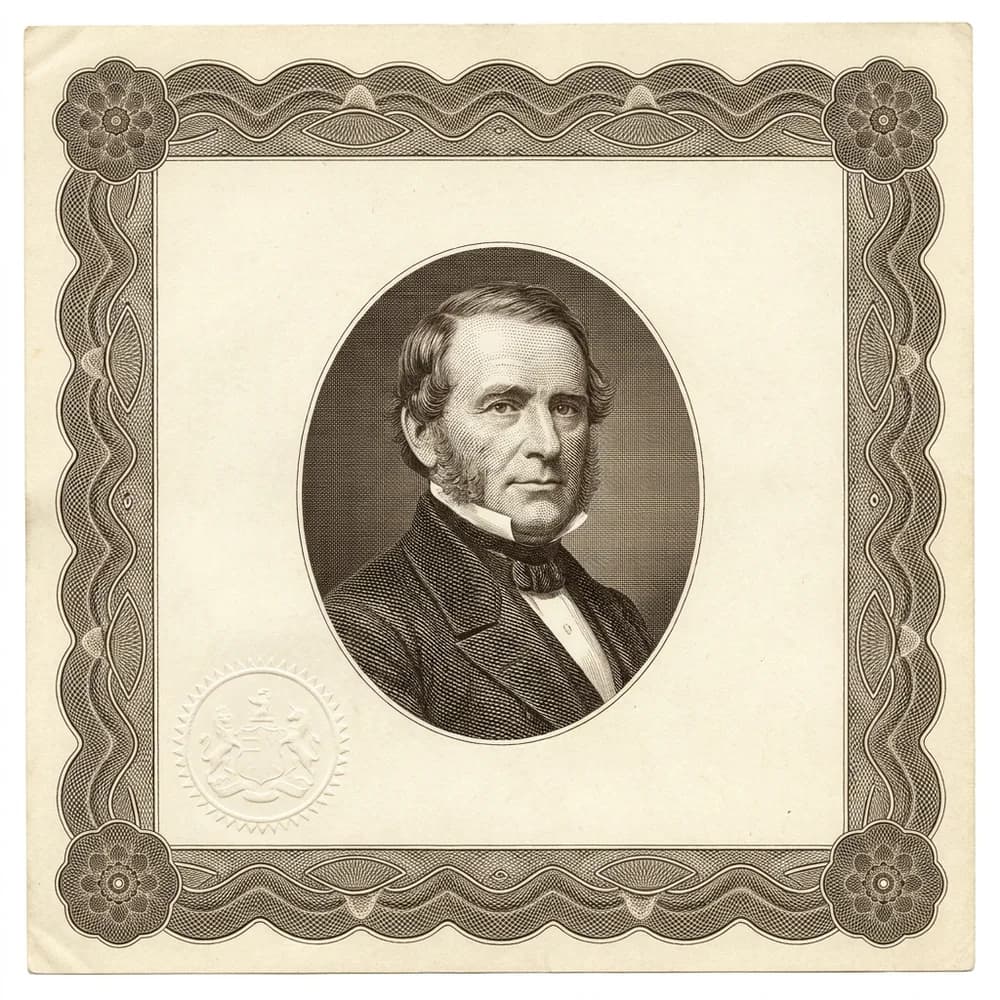 Ink
InkSepia, single plate
The house ink. Roughly six seats in ten are printed this way.
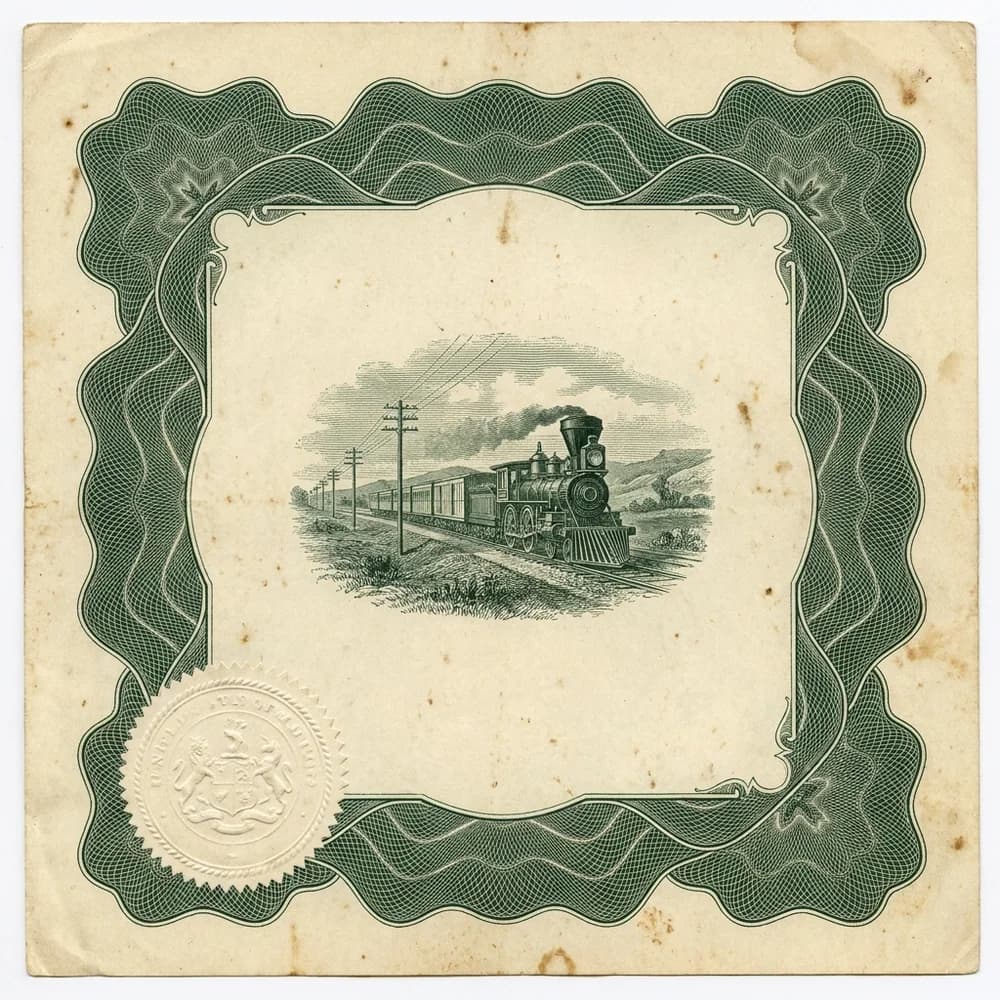 Vignette
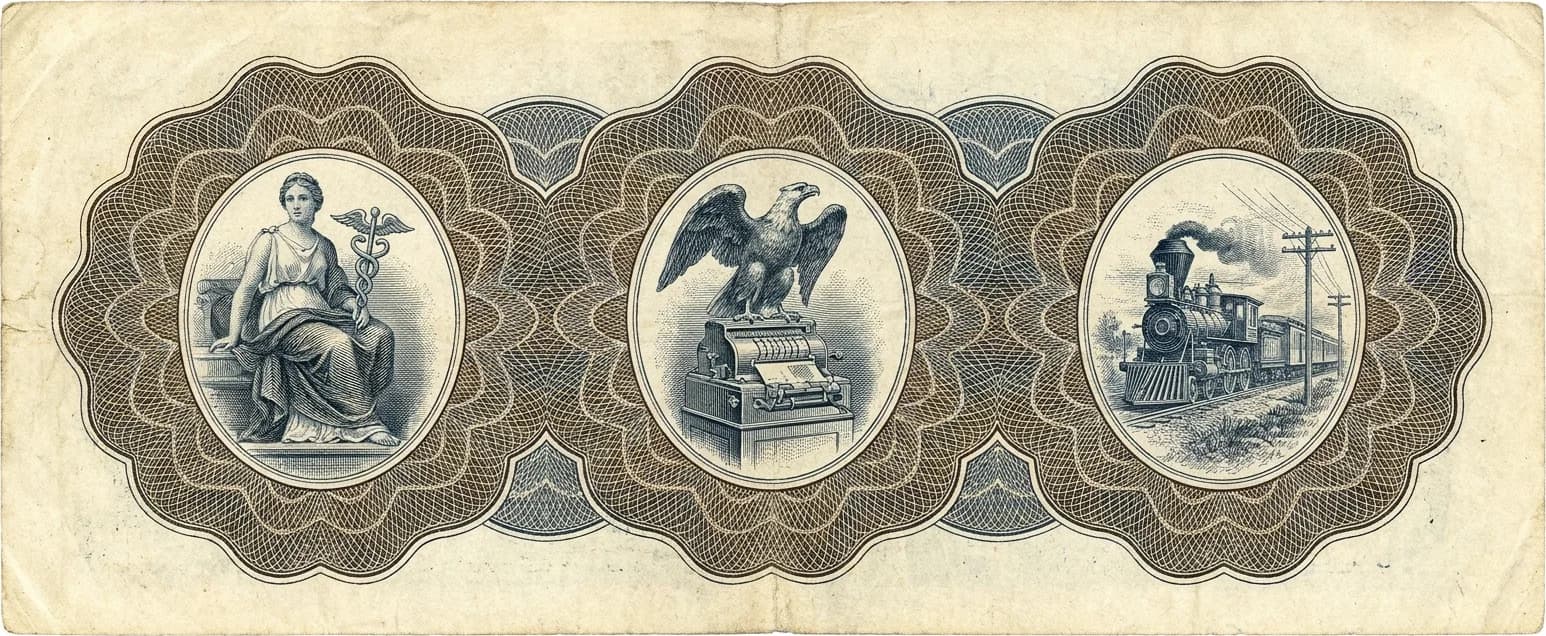
Locomotive and telegraph
The vignette is the one thing a seat cannot trade away.
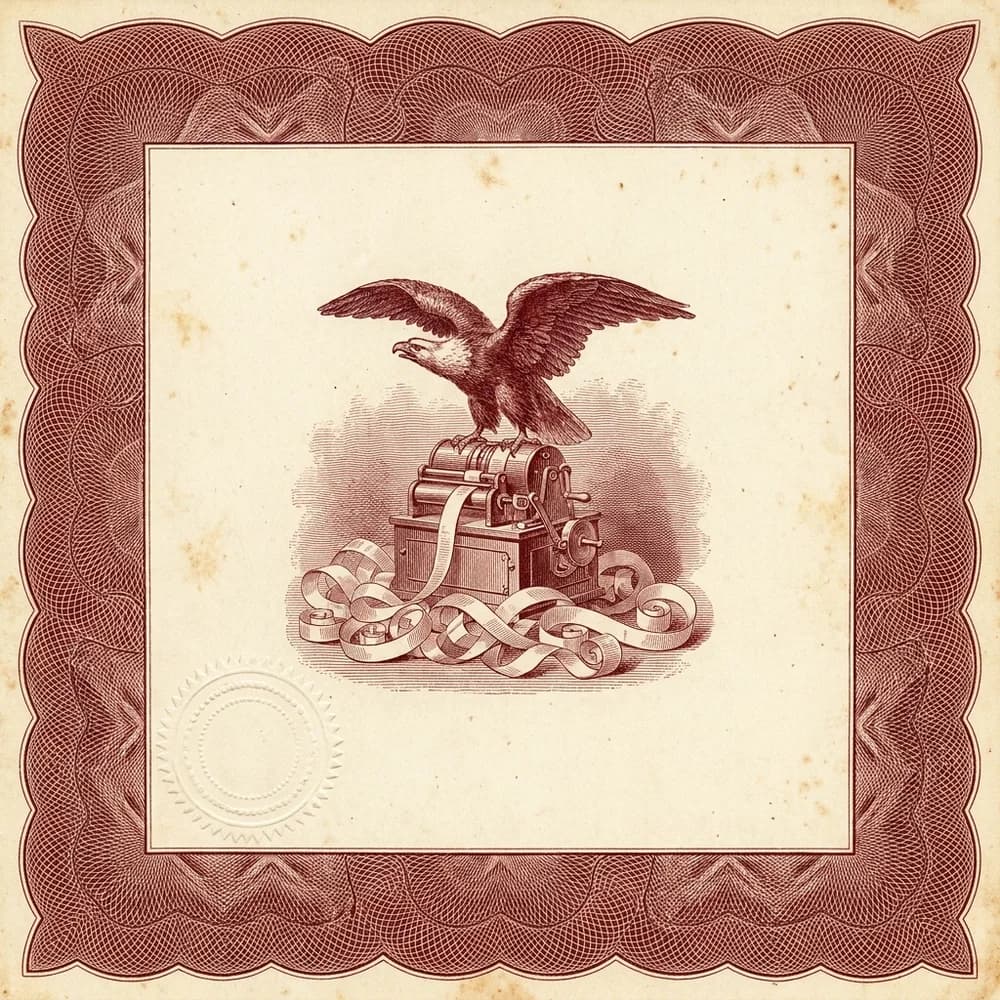 Lathework
Full spirograph border
Denser engine-turning was expensive to cut. It stayed expensive.
 Registration
Two plate, blue and black
Two passes through the press, aligned by hand. The scarce run.
 Overprint
Punch cancelled
Struck off the register. A seat that was liquidated, and says so.
Season one is printed on paper.
The portfolios are notional. No seat holds a position, no seat takes deposits from anyone else, and there is no carry on anything. The pool is funded by mints and by the fees the game itself charges, and it pays out to seats — not to investors.
That line is deliberate and it is not moving during season one. The moment a game takes a cut of someone else's capital allocated into tokenized equities, it stops being a game and becomes a regulated activity. That is not a discovery worth making with 1,313 holders waiting on a payout.
Prices come from Chainlink feeds, snapshotted at the open and close of each week and immutable once written. If a feed goes stale the epoch will not settle rather than settle on a bad number. The ranking is posted as a Merkle root with a challenge window, so a wrong table can be proven wrong before anyone is paid.
Twenty-five seconds, start to seal.
The register, a week's book being committed, thirteen weeks compounding, and the impression that closes the season.
Season one · opening title sequence
00:24
Take a seat on the register.
Season zero is open now as a practice book. Minting opens with season one.